Optimal Timing for Driveway Gravel Installation
Choosing the optimal time for driveway gravel installations can impact durability and quality. Weather conditions, ground temperature, and soil moisture levels are critical factors influencing the success of the project. Proper timing ensures better compaction, reduces erosion risks, and minimizes the need for repairs later.
Dry, mild weather with low precipitation is optimal for gravel installation, preventing delays and ensuring proper compaction.
Spring and early fall typically offer the best conditions, avoiding extreme cold or heat that can compromise the process.
Adequate soil moisture aids in compaction but excessive moisture can cause settling issues, making timing crucial.
Temperatures above freezing are necessary for effective gravel setting and compaction, especially in colder climates.
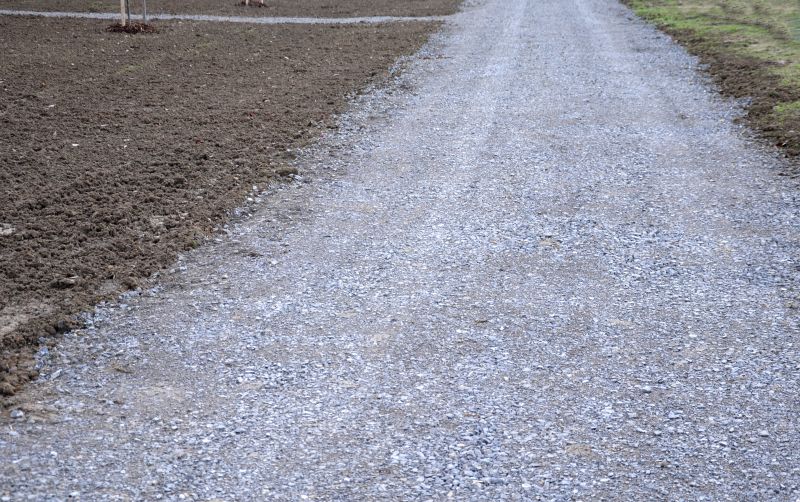
Ways to make Driveway Gravel Installations work in tight or awkward layouts.
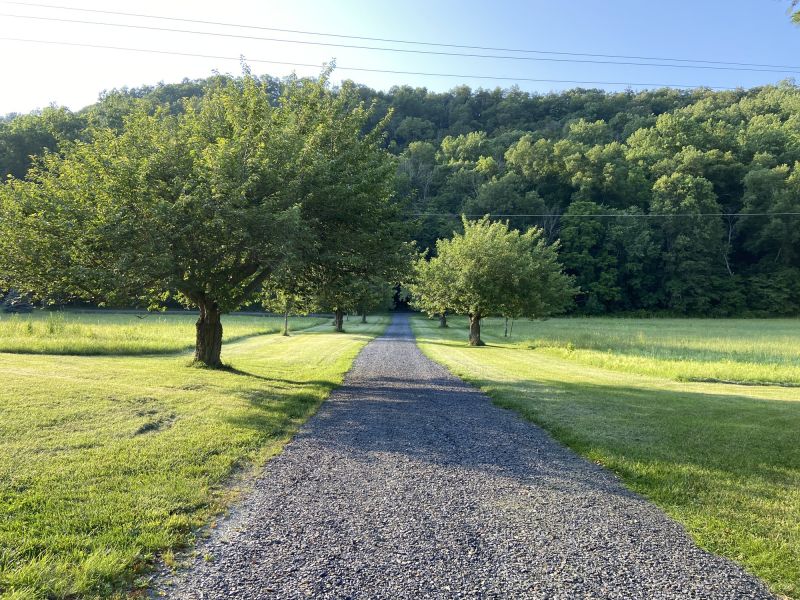
Popular materials for Driveway Gravel Installations and why they hold up over time.

Simple add-ons that improve Driveway Gravel Installations without blowing the budget.
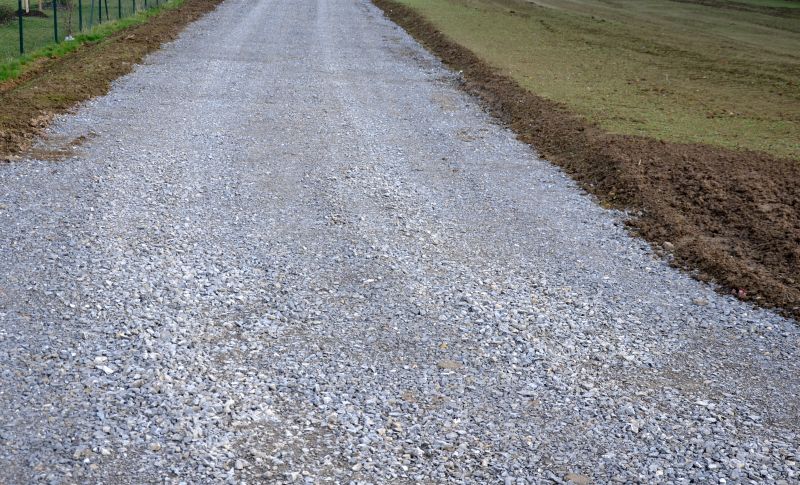
High-end options that actually feel worth it for Driveway Gravel Installations.
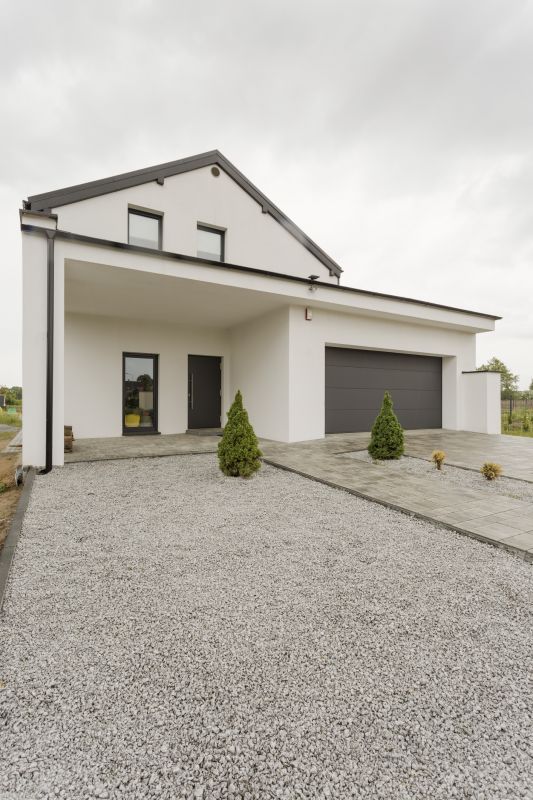
Finishes and colors that play nicely with Driveway Gravel Installations.
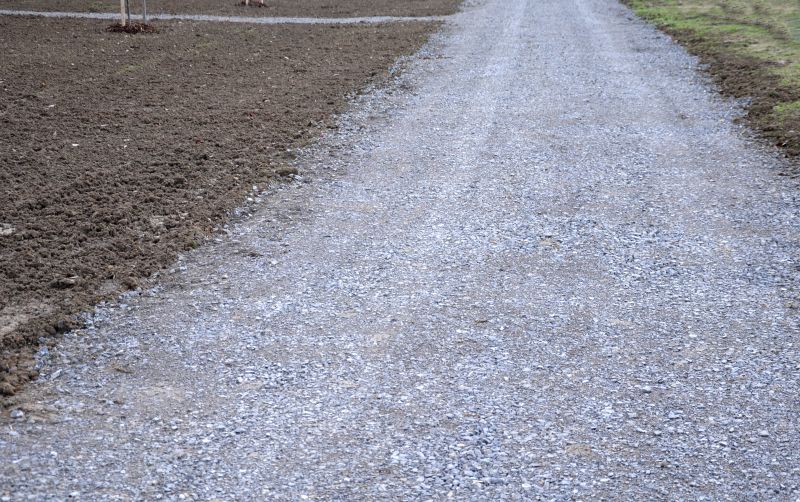
Little measurements that prevent headaches on Driveway Gravel Installations day.
Driveway gravel installation involves multiple steps including site preparation, gravel spreading, and compaction. Proper timing enhances each phase, resulting in a more stable and long-lasting surface. Accurate scheduling minimizes disruptions caused by weather, reduces the likelihood of erosion, and ensures the gravel settles evenly for a smooth finish.
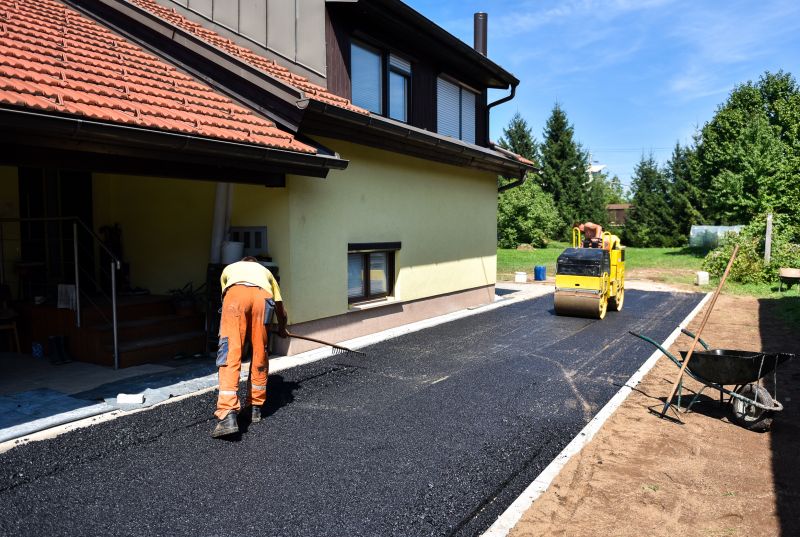
A 60-second routine that keeps Driveway Gravel Installations looking new.
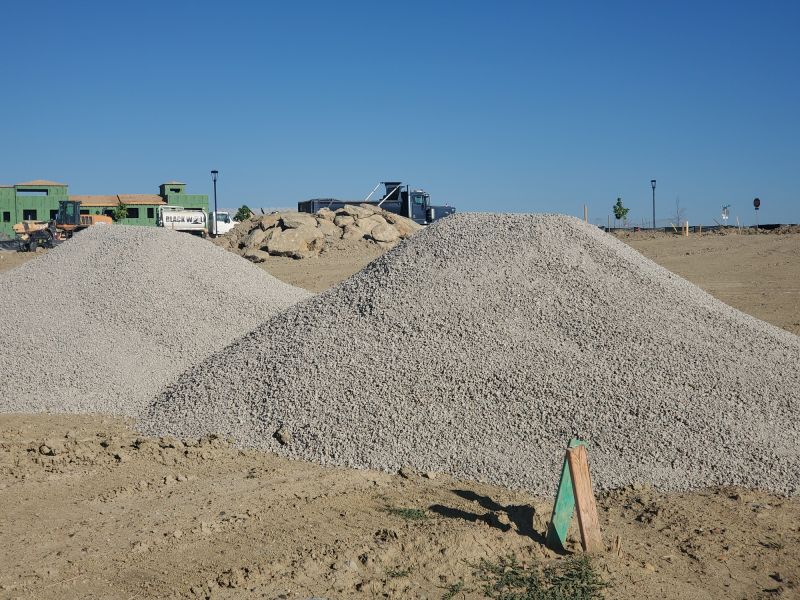
A frequent mistake in Driveway Gravel Installations and how to dodge it.
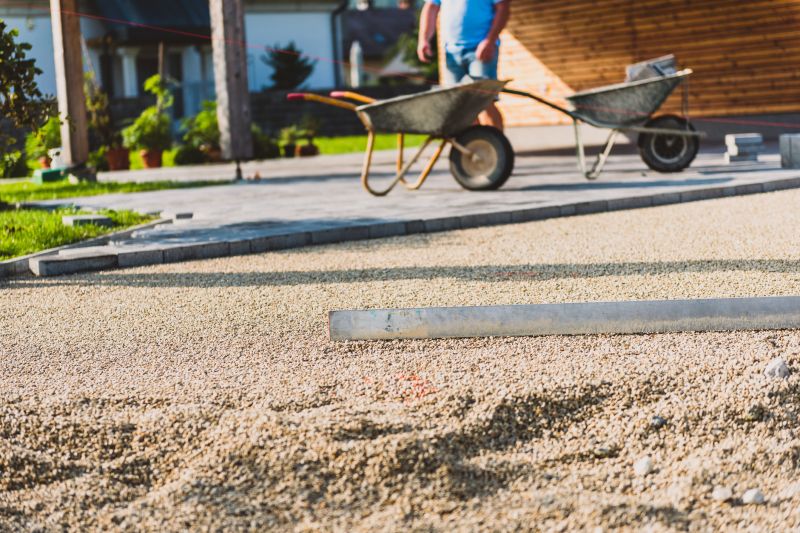
Small tweaks to make Driveway Gravel Installations safer and easier to use.
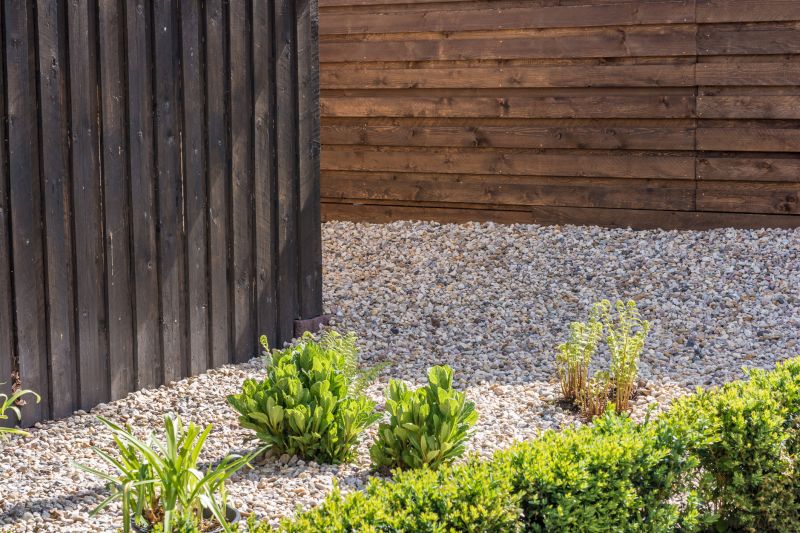
Lower-waste or water-saving choices for Driveway Gravel Installations.
| Factor | Optimal Conditions |
|---|---|
| Weather | Dry, mild days with minimal rain |
| Temperature | Above freezing, ideally between 50-75°F |
| Soil Moisture | Moderate moisture for compaction, avoid excessive wetness |
| Season | Spring and early fall |
| Ground Conditions | Firm and stable ground for preparation |
| Precipitation | Less than 0.5 inches of rain during installation |
Timing driveway gravel installations carefully can lead to more durable and even surfaces. Proper planning helps avoid issues such as shifting, erosion, or uneven settling. Consulting with local weather patterns and preparing the site accordingly can significantly improve the longevity of the driveway.
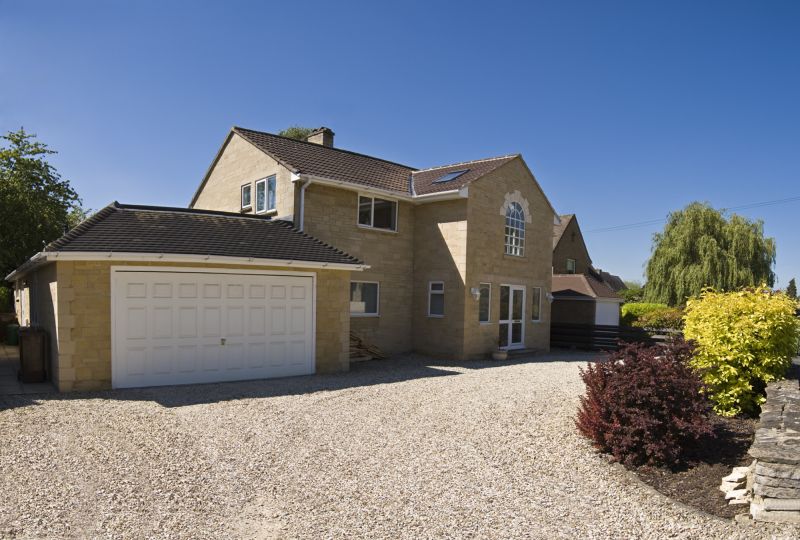
The short, realistic tool list for quality Driveway Gravel Installations.
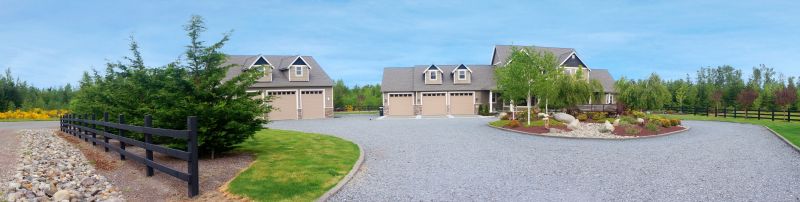
Rough timing from prep to clean-up for Driveway Gravel Installations.
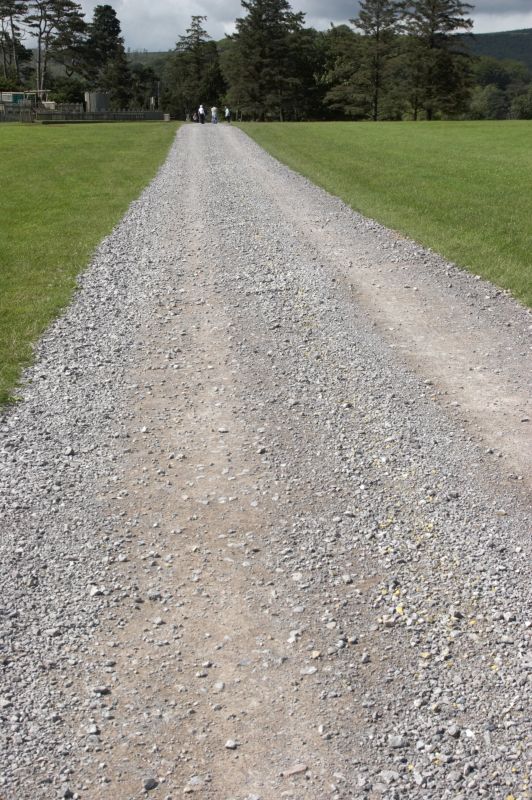
Quick checks and paperwork to keep after Driveway Gravel Installations.
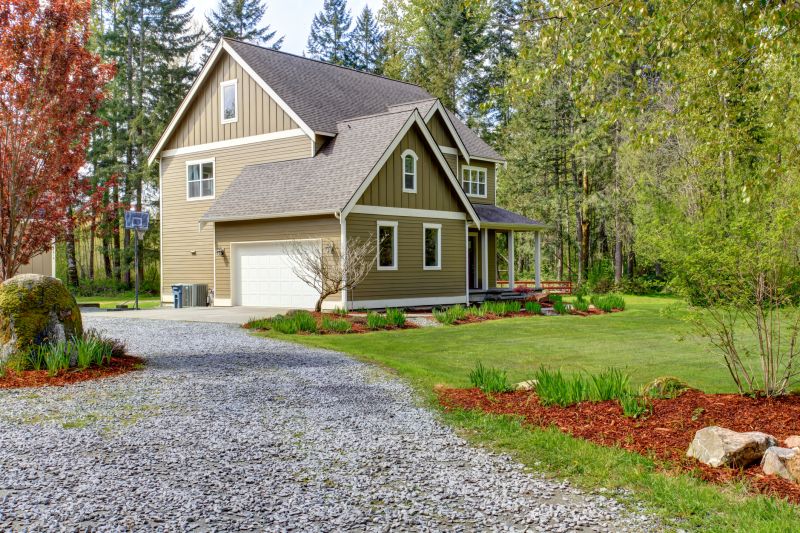
Examples that show the impact a good Driveway Gravel Installations can make.
Interested in driveway gravel installation? Filling out the contact form can provide more information and help schedule the project at the most suitable time for optimal results.