
Leading Products For Perfect Driveway Gravel Installation Results
Learn about key products that help you achieve a smooth, stable, and visually appealing gravel driveway with ease.
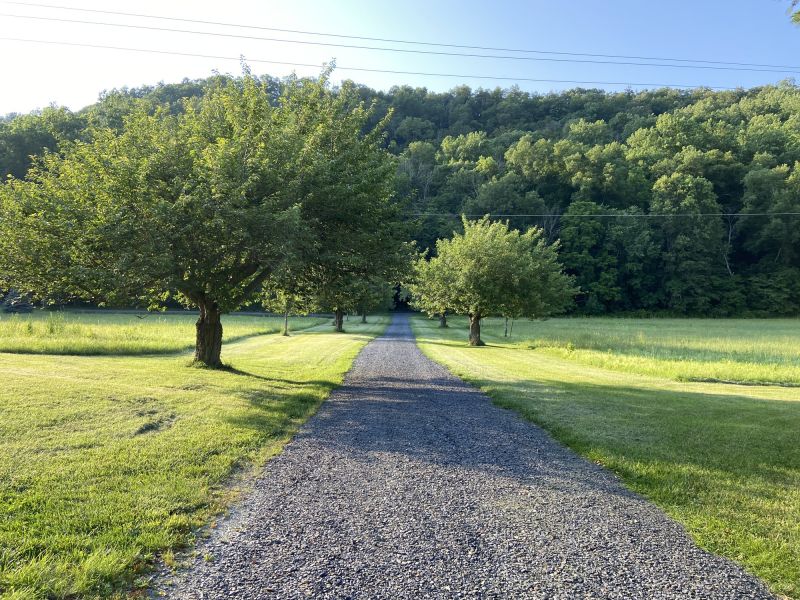 Installing gravel driveways can be a practical and cost-effective solution for many property owners seeking durable and low-maintenance access paths. The process typically involves selecting the appropriate gravel type, preparing the base layer, and ensuring proper compaction to create a stable surface. The versatility of gravel allows it to accommodate various driveway sizes and styles, making it a popular choice for both residential and commercial applications.
Top Overall Option
Crushed Stone Aggregate
Crushed stone aggregate serves as a versatile and foundational material for gravel driveway installations. It provides a stable base that promotes drainage and compaction, helping to prevent shifting and ruts over time. This product is available in various sizes and grades, allowing customization based on the specific needs of the driveway. Properly installed crushed stone can support heavy loads and withstand weather variations, making it a reliable choice for many projects.
Types of Products For Driveway Gravel Installations
Base Gravel
Base gravel provides the foundational layer that supports the entire driveway structure, ensuring stability and drainage.
Decorative Gravel
Decorative gravel enhances the aesthetic appeal of the driveway with a variety of colors and sizes.
Crushed Stone
Crushed stone is a common choice for creating a durable and well-draining driveway surface.
Road Base Material
Road base material offers a compactable layer that provides additional support and longevity.
Geotextile Fabric
Geotextile fabric helps prevent gravel migration and enhances stability by reinforcing the underlying soil.
Drainage Gravel
Drainage gravel improves water runoff and reduces pooling on the driveway surface.
Screened Gravel
Screened gravel offers a uniform size and smooth appearance, suitable for finished surfaces.
Recycled Gravel
Recycled gravel is an eco-conscious option made from crushed concrete or asphalt, suitable for cost-effective projects.
Sand Layer
A layer of sand can be used beneath gravel to improve compaction and stability.
Edge Restraints
Edge restraints help contain gravel within the driveway boundaries and prevent spreading.
Stabilizer Additives
Stabilizer additives can be mixed with gravel to enhance compaction and reduce shifting.
Binder or Sealant
Binder or sealant products can be applied to gravel surfaces to improve cohesion and reduce dust.
Popular Choices
Crushed stone remains a frequently selected material for its durability and versatility in driveway projects.
Pea gravel offers a smooth, rounded appearance and is often chosen for decorative purposes.
Washed gravel is popular for its clean appearance and consistent size, suitable for finished surfaces.
Recycled concrete provides an eco-friendly option that can be used as a base or decorative layer.
Crusher run is a blend of crushed stone and fines, offering compaction and stability for driveways.
River rock is valued for its natural look and smooth texture, often used in decorative applications.
Decomposed granite provides a permeable and natural appearance, suitable for rustic driveways.
Limestone gravel offers a light color and is commonly used in decorative and functional driveway surfaces.
Granite gravel is known for its hardness and attractive appearance, making it a durable choice.
Crushed shells can provide a coastal or rustic aesthetic for driveway surfaces.
Slate chips add color and texture, often used for decorative driveway accents.
A mix of sand and gravel can enhance compaction and drainage for driveway bases.
Choosing the right products for a gravel driveway installation is essential to achieve a long-lasting and functional surface. From base materials that provide stability to decorative aggregates that enhance curb appeal, the range of available products can seem overwhelming. Proper installation techniques and high-quality materials contribute significantly to the durability and appearance of the finished driveway.
In addition to the primary gravel, accessories such as edging materials, geotextile fabrics, and stabilizers can help contain the gravel and prevent shifting over time. These supplementary products assist in maintaining the integrity of the driveway, especially in high-traffic areas or on slopes. Careful planning and selecting the appropriate products for your specific needs can result in a driveway that is both attractive and resilient.
When considering a gravel driveway project, understanding the different product options and their functions is crucial. Whether you are building a new driveway or upgrading an existing one, the right selection of materials can make a significant difference in performance and longevity. Consulting with suppliers or professionals can provide additional insights into the best products for your particular terrain and usage requirements.
Key Buying Considerations
- Determine the primary purpose of your driveway to select appropriate gravel types and thickness.
- Consider drainage requirements to prevent water pooling and erosion.
- Assess the soil type and stability of the underlying ground for proper base preparation.
- Choose gravel sizes and grades that match your aesthetic and functional needs.
- Evaluate the local climate and weather conditions to select durable materials.
- Plan for edge containment options such as restraints or borders to maintain gravel boundaries.
- Think about maintenance requirements and how easily the surface can be replenished or leveled.
- Estimate the volume of material needed based on the driveway dimensions and depth.
- Check for quality standards, such as cleanliness and size uniformity, to ensure consistency.
- Factor in the cost of additional accessories like geotextile fabric or stabilizers if needed.
- Consider environmental factors, such as potential runoff or soil erosion, in your planning.
- Determine if you need additional products like sealants or stabilizers for enhanced performance.
- Research local suppliers to compare product availability and shipping options.
- Review installation techniques and whether professional assistance is advisable for complex projects.
- Ensure compatibility of all selected materials to achieve a cohesive and durable driveway surface.
This page contains affiliate links. We may earn a commission if you make a purchase through these links, at no additional cost to you.